Why Multilingual Support Is Essential for Japan’s Mandatory Workplace Stress Check
Providing multilingual support is not simply a convenience—it is essential for ensuring accurate responses, protecting employee well-being, and complying with Japan’s occupational health regulations.
As the number of foreign employees working in Japan continues to grow, employers across industries—including manufacturing, healthcare, hospitality, and information technology—are increasingly responsible for supporting multilingual workforces. In many international organizations, English serves as the primary business language, while some employees have little or no ability to read Japanese.
If employees are asked to complete a workplace stress assessment in a language they cannot fully understand, they may misunderstand important questions or lose confidence in the process altogether. This reduces participation rates and makes it more difficult to identify employees who may require early mental health support.
Many HR professionals at multinational companies tell us that every year a portion of their foreign workforce remains unassessed simply because an appropriate language version is unavailable. In these cases, the language barrier prevents employers from achieving the true purpose of Japan’s mandatory workplace stress check.
This issue will become even more important in the coming years. Following amendments to Japan’s Industrial Safety and Health Act, mandatory workplace stress checks will be extended to businesses with fewer than 50 employees beginning on April 1, 2028. Employers should therefore establish multilingual procedures well before the legal requirement takes effect.
If your organization employs foreign workers and you are unsure how to implement multilingual stress checks, consulting an experienced provider before your next assessment cycle can save considerable time and administrative effort.
Use the Official Multilingual Questionnaire Published by Japan’s Ministry of Health, Labour and Welfare (MHLW)
The easiest and most reliable way to conduct Japan’s mandatory workplace stress check in English is to use the official multilingual questionnaire published free of charge by Japan’s Ministry of Health, Labour and Welfare (MHLW).
The official questionnaire is called the Brief Job Stress Questionnaire (BJSQ). Two versions are available: the standard 57-question version and the extended 80-question version. MHLW provides officially translated questionnaires in English, Chinese, Vietnamese, and several other languages, allowing employers to conduct legally compliant assessments without creating their own translations.
Additional information about workplace mental health initiatives in Japan is also available through MHLW’s Kokoro no Mimi mental health portal.
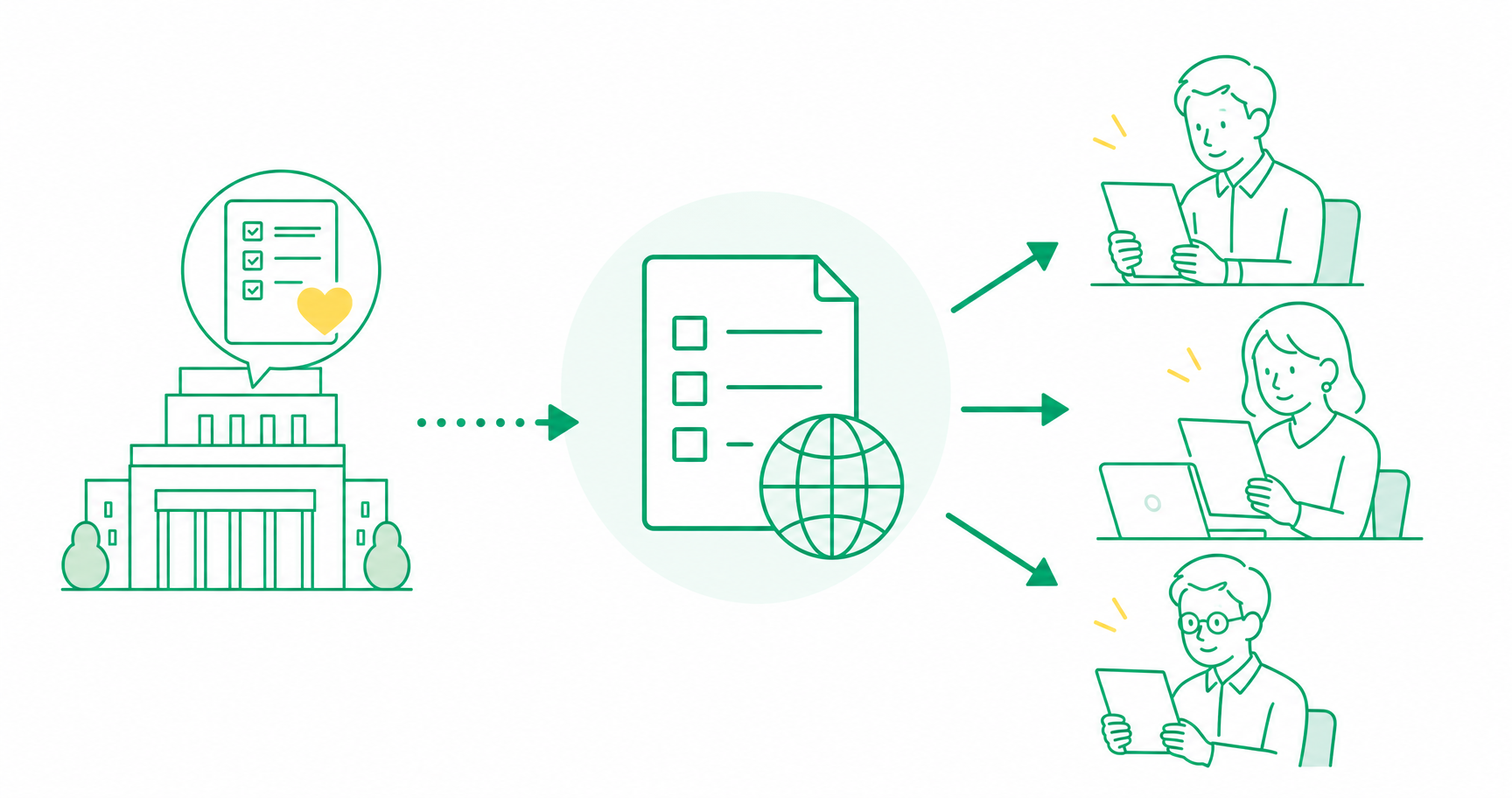
When using multilingual questionnaires, employers should follow several important rules. The translated version must use exactly the same question order, numbering, scoring methodology, and evaluation criteria as the Japanese version. Employers should never modify, remove, or add questions, as doing so may affect the validity of the assessment and make results difficult to compare.
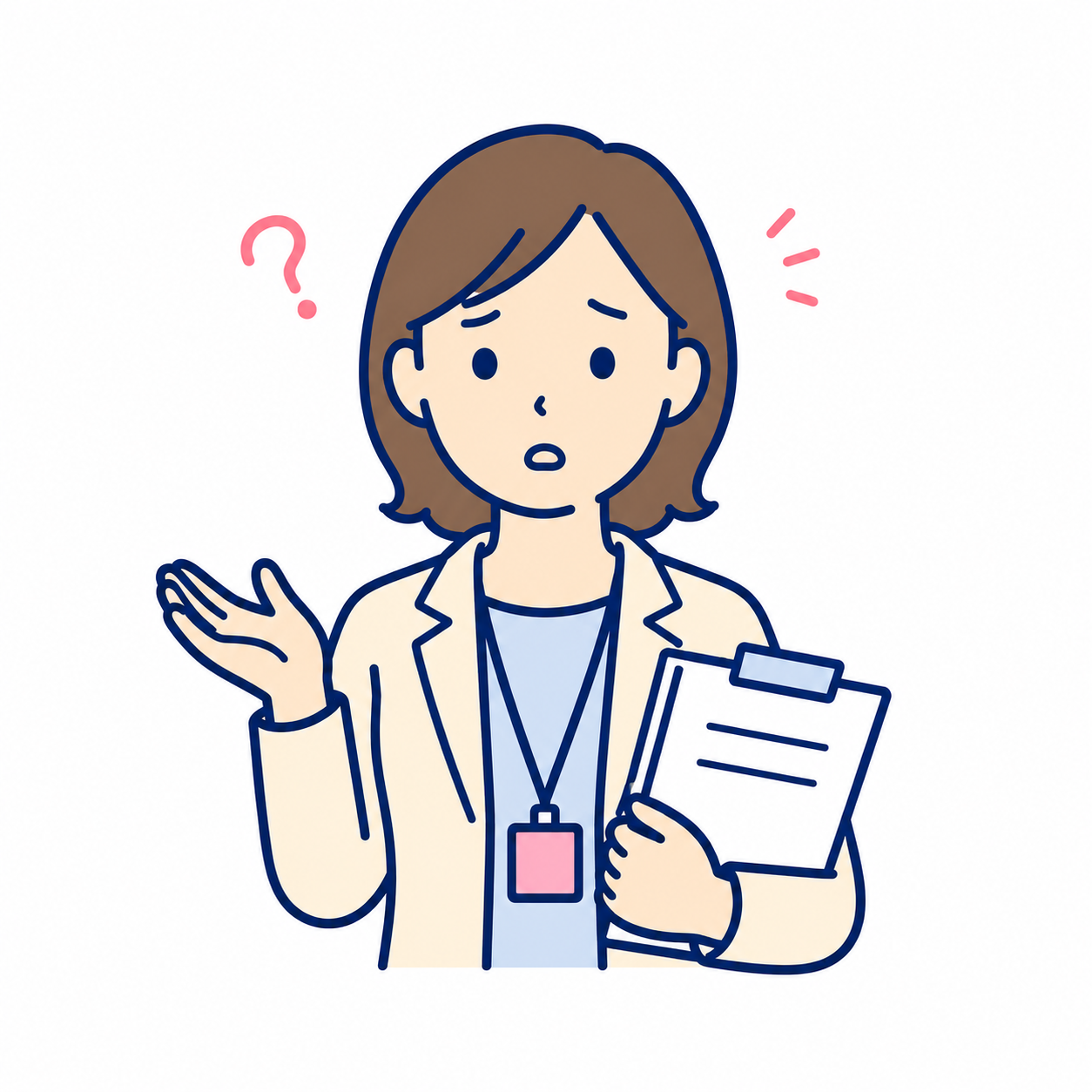 HR Manager
Can we simply translate the questionnaire ourselves instead of using the official version?
 Stress Check Support Center
We strongly recommend using the official MHLW translation. Even small wording differences can change how employees interpret individual questions, reducing the reliability of the assessment. Using the official questionnaire helps ensure consistency, legal compliance, and accurate evaluation across your entire workforce.
Step-by-Step Guide to Conducting Japan’s Mandatory Workplace Stress Check in English
Although the questionnaire is provided in English, the overall implementation process remains the same as the standard Japanese workplace stress check. The key difference is ensuring that every communication—from the initial invitation to the delivery of results—is provided in a language employees fully understand.
Determine which employees are legally eligible for the workplace stress check and identify the language each employee prefers. While English is commonly required, many organizations in Japan also need support for Vietnamese, Chinese, Indonesian, or other languages depending on their workforce.
Download the official multilingual Brief Job Stress Questionnaire (BJSQ) published by MHLW. In addition to the questionnaire itself, prepare multilingual guidance explaining the purpose of the assessment, confidentiality, employee consent, and how the results will be handled.
A web-based assessment platform is generally the most efficient option because employees can simply select their preferred language before answering the questionnaire. Paper-based surveys may also be used when necessary for employees without reliable computer access.
Assessment results should be evaluated using exactly the same scoring criteria as the Japanese version. Employees identified as being at high risk of stress-related health issues should receive their individual results, together with information about physician consultations, in a language they can clearly understand.
If an employee requests a physician interview, the employer should ensure appropriate language support is available. Employers should also use anonymized group analysis results to identify workplace risks and continuously improve the working environment for all employees.
One of the most common mistakes is translating only the questionnaire while leaving participation instructions, consent forms, and result notifications in Japanese. Every stage of the process should be communicated in a language employees fully understand to ensure both compliance and meaningful participation.
How to Support Employees Identified as Being at High Risk of Stress-Related Health Issues
Providing an English questionnaire is only the first step. Employers must also be prepared to support employees after the assessment, particularly those identified as being at high risk of stress-related health issues.
Under Japan’s Industrial Safety and Health Act, employees identified as high risk may request a physician interview. However, if communication barriers prevent employees from fully understanding the process, they may hesitate to request support or fail to benefit from the consultation.
Whenever possible, employers should arrange an English-speaking occupational physician or provide professional interpretation services. Assessment results, interview guidance, and follow-up communications should always be provided in the employee’s preferred language to ensure they fully understand their available options.
Any personal information disclosed during the physician interview must remain confidential and may not be shared with supervisors or managers without the employee’s explicit consent. Clearly explaining these confidentiality protections helps employees feel comfortable requesting support when needed.
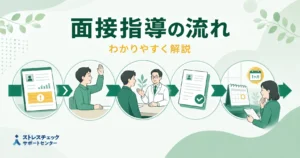
Should You Manage Workplace Stress Checks In-House or Outsource Them?
For organizations that conduct multilingual workplace stress checks every year, outsourcing is often the most efficient and cost-effective solution. It reduces administrative workload while helping ensure compliance with Japan’s occupational health regulations.
Managing the entire process internally requires HR teams to prepare multilingual materials, coordinate communications with employees, manage confidential personal information, and arrange physician interviews when necessary. These responsibilities can quickly become overwhelming, particularly for organizations with limited HR resources or employees speaking multiple languages.
By partnering with an experienced workplace stress check provider, employers can outsource questionnaire distribution, multilingual support, assessment processing, reporting, physician interview coordination, and ongoing operational support. This allows HR professionals to focus on employee engagement rather than administrative tasks.

Although internal management may reduce outsourcing costs, HR teams remain responsible for translation, employee communications, data security, legal compliance, multilingual support, and physician interview coordination. Administrative demands increase significantly as additional languages are required.
At the Stress Check Support Center, we support workplace stress checks in English and Vietnamese through web-based, paper-based, or hybrid assessment methods. We are PrivacyMark certified, securely manage personal information on dedicated servers, and have been recognized as a Certified Health & Productivity Management Organization by Japan’s Ministry of Economy, Trade and Industry for nine consecutive years. Organizations ranging from 500 to over 20,000 employees rely on our services, and more than 90% continue using our support year after year.
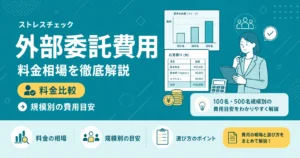
If you would like to compare pricing, implementation methods, or outsourcing options, please refer to our detailed guide below.
Frequently Asked Questions
The following are some of the questions we receive most frequently from HR professionals implementing multilingual workplace stress checks.
- Are foreign employees legally required to participate?
-
Yes. Eligibility is determined by employment conditions rather than nationality. Employees meeting the legal working-hour and employment-duration requirements should be included under the same standards as Japanese employees.
- Where can we obtain the official English questionnaire?
-
The official multilingual Brief Job Stress Questionnaire (BJSQ) is available free of charge from Japan’s Ministry of Health, Labour and Welfare (MHLW). Employers should always use the official version rather than creating their own translation.
- Are evaluation criteria different for English questionnaires?
-
No. Regardless of language, the same questionnaire structure, scoring methodology, and evaluation standards must be used to ensure consistent assessment results.
- Can workplace stress checks also be conducted in Vietnamese or Chinese?
-
Yes. Official multilingual questionnaires are available in several languages. Many service providers—including our organization—also support multilingual web-based assessments that allow employees to select their preferred language before completing the questionnaire.
- How should employers support English-speaking employees identified as high risk?
-
Assessment results, physician interview guidance, and follow-up support should all be provided in the employee’s preferred language. When necessary, employers should arrange English-speaking occupational physicians or qualified interpreters.
- Will small businesses also need multilingual support after 2028?
-
Yes. Beginning in April 2028, Japan’s mandatory workplace stress check requirements will also apply to workplaces with fewer than 50 employees. Businesses employing foreign workers should prepare multilingual procedures well before the new regulations take effect.
Summary
Japan’s mandatory workplace stress check can be conducted in English and many other languages. The primary objective is not simply to translate the questionnaire, but to ensure employees fully understand every question and can accurately report their psychological well-being.
Using the official multilingual Brief Job Stress Questionnaire published by MHLW enables employers to comply with legal requirements while maintaining consistent evaluation standards. Employers should also provide multilingual guidance, assessment results, and physician interview information to ensure foreign employees receive the same level of support as Japanese employees.
As mandatory workplace stress checks expand to smaller businesses in 2028, establishing a multilingual assessment process today will help employers reduce administrative burdens and provide better mental health support for an increasingly international workforce.
If you would like advice on implementing multilingual workplace stress checks or selecting the most suitable solution for your organization, our specialists are happy to help.
本記事は、9年連続で経済産業省「健康経営優良法人」に認定され、3〜20,000名規模・100社以上のストレスチェック実施を支援してきたストレスチェックサポートセンター編集部が、厚生労働省など公的資料に基づいて作成しています。
シー・システム株式会社は「健康経営優良法人2026(中小規模法人部門 ネクストブライト1000)」に認定されています。